Aircrew Parachute Harness/Pack – Vulcan & Victor Crew Seats: Military Aviation Safety Equipment
Aircrew Parachute Harness/Pack – Vulcan & Victor Crew Seats: Military Aviation Safety Equipment
Blog Article
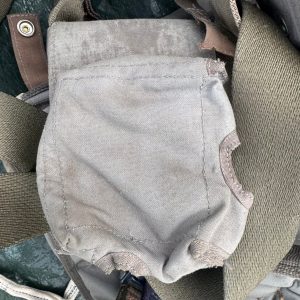
The Aircrew Parachute Harness/Pack – Vulcan & Victor Crew Seats provides strong commercial and historical appeal when its identity, condition, completeness, configuration, and documentation are described accurately.
An Aviation Parachute Harness and Pilot Parachute Harness should be identified through labels, part numbers, manufacturing records, and configuration-specific information.
An Aircraft Emergency Parachute Harness, Aircrew Safety Harness, Flight Crew Parachute Harness, Emergency Parachute Harness, and Military Aircrew Harness all describe safety-related equipment intended to secure aircrew within compatible parachute or escape systems.
The Aviation Emergency Escape Harness, Parachute Harness Assembly, Aircraft Crew Safety Equipment, Aircrew Emergency Equipment, and Pilot Emergency Parachute System form part of a broader aviation safety category.
The Aviation Safety Harness may have historical value, while the Flight Parachute Harness and Aircraft Parachute Equipment should be assessed by qualified specialists before any safety-related use.
Key Details of the Crew-Seat Parachute System
A visually similar military parachute harness may not belong to the same aircraft, seat, or operating configuration.
Photographs should show the front, rear, sides, webbing, buckles, attachment points, pack, labels, stitching, hardware, and areas of wear.
Military Harness Structural Features
Webbing can deteriorate through age, ultraviolet exposure, chemicals, moisture, abrasion, mildew, heat, repeated loading, and unsuitable storage.
Stitching should be reviewed for broken threads, fading, contamination, pulled sections, loose patterns, unauthorized repair, and separation from the webbing.
Evaluating Harness Size and Fit
Shoulder, chest, waist, and leg adjustments may influence comfort, movement, load distribution, and secure positioning.
Buckles and adjusters should move without excessive force, binding, corrosion, cracking, deformation, or damage to adjacent webbing.
Evaluating Historic Escape Equipment
The harness alone does not establish the condition or completeness of the complete emergency system.
Attachment points should be checked for deformation, wear, corrosion, cracks, missing components, incorrect hardware, and evidence of loading or repair.
Choosing an Aircrew Safety Harness
The intended function should be established through technical references and component markings rather than appearance alone.
Webbing should not be folded sharply under heavy weight or compressed against corroded hardware.
Flight Harness Preservation
The condition of a Flight Crew Parachute Harness should be described using specific observations rather than broad terms such as excellent, serviceable, or ready for use.
Documented history can add substantial collector value.
Parachute Webbing Condition Checks
Every strap should be followed from end to end while checking webbing, stitching, folds, attachment areas, fittings, and labels.
Signs of deterioration can include fading, stiffness, powdering fibers, frayed edges, stains, mildew, chemical odor, burned areas, torn stitching, get more info corrosion transfer, and damaged labels.
Vulcan and Victor Aircrew Equipment
A Military Aircrew Harness associated with Vulcan and Victor crew seating can hold significant interest for collectors of British military aviation, historic aircraft equipment, and Cold War-era artifacts.
Displays should limit exposure to bright light, humidity changes, dust, and public handling.
Crew-Seat Escape Equipment
Seat design, parachute pack, harness connections, release mechanisms, crew procedures, aircraft configuration, and survival equipment may all interact.
Wear patterns can sometimes show how straps or fittings were routed, but interpretation should remain cautious.
Harness and Pack Configuration
A pack exterior does not prove that a canopy, pilot chute, deployment components, or internal equipment remain present.
Unverified components should be identified as unknown rather than assigned an unsupported function.
Historic Aircraft Safety Components
Each item should be identified and evaluated individually because age, storage, configuration, and service history can differ.
Aggressive washing, chemical treatment, polishing, repainting, or hardware replacement can reduce originality and damage materials.
Preserving Aviation Emergency Equipment
Collectors should preserve labels, inspection records, modifications, and storage evidence.
Accurate classification improves the credibility of Aircrew Emergency Equipment sales.
Pilot Emergency Parachute System
A Pilot Emergency Parachute System includes more than a harness because the pack, canopy, deployment equipment, connections, fit, inspection status, and operating procedures all matter.
Collectors should avoid deploying, unpacking, repacking, or load-testing rare equipment without understanding the effect on originality and condition.
Preserving an Aviation Harness Assembly
Its visual impact is enhanced when straps, pack, fittings, labels, and attachments remain arranged accurately.
Interpretive labels should distinguish verified facts from uncertain history.
Buying Historic Aircrew Equipment
A Flight Parachute Harness should be purchased according to intended use, identity, condition, completeness, provenance, size, configuration, and available documentation.
Commercial value can be influenced by verified Vulcan or Victor association, rare markings, complete hardware, original pack configuration, preserved labels, and documented history.
Avoiding Incorrect Harness Substitution
A harness associated with one Vulcan or Victor seat position may differ from equipment used by another crew member.
Historic photographs and technical references can guide arrangement when available.
Inspecting the Aircrew Parachute Harness/Pack
A pre-purchase review should confirm manufacturer, part numbers, dates, labels, aircraft or seat association, webbing condition, hardware, pack configuration, repairs, storage history, completeness, and documentation.
- Determine whether the canopy, deployment components, release equipment, inspection cards, storage bag, manuals, or other items are included.
- Inspect webbing for fading, stiffness, fraying, cuts, abrasion, mildew, stains, chemical damage, burned areas, pulled fibers, and unauthorized repairs.
- Inspect and photograph the item immediately after delivery before cleaning, opening, adjusting, mounting, repairing, or separating components.
Parachute Webbing Preservation
Acidic cardboard, untreated wood, plasticizers, rubber, chemicals, and damp fabrics should not contact the equipment.
Routine monitoring supports long-term Aircrew Parachute Harness/Pack preservation.
Crew-Seat Harness Display Installation
Padded ties, archival supports, or reversible brackets may help maintain the display while avoiding permanent alteration.
Lighting should be limited to reduce fading and fiber deterioration, while the display case should protect against dust, touch, moisture changes, and accidental impact.
Protecting Aviation Safety Equipment
Routine care may include careful dust removal, hardware observation, strap support, condition photography, and environmental monitoring.
Repairs intended for display should remain reversible and clearly documented.
Buying Historic Military Aircrew Parachute Equipment
For the correct project, the harness and pack can add an important level of accuracy and visual detail to a compatible crew-seat display.
A qualified parachute professional must evaluate the equipment before any operational consideration, while a conservator or historian may be more appropriate for display-focused projects.
Whether the requirement is an Aviation Parachute Harness, Pilot Parachute Harness, Aircraft Emergency Parachute Harness, or Aircrew Safety Harness, individual condition assessment should guide the purchase.
With prompt attention to webbing, stitching, hardware, corrosion, labels, pack materials, and storage conditions, the equipment can retain its appearance and research value.
Report this page